The Ministry of Education has made available the Free Day Junior School Education funds for the first term of the 2026 academic year, providing critical financial support to public junior schools to run teaching and administrative activities.
Each learner is set to receive Sh4,193.07, while every school will be granted a total of Sh92,490.33 to cover operational and tuition-related costs, according to a circular sent to county education directors.
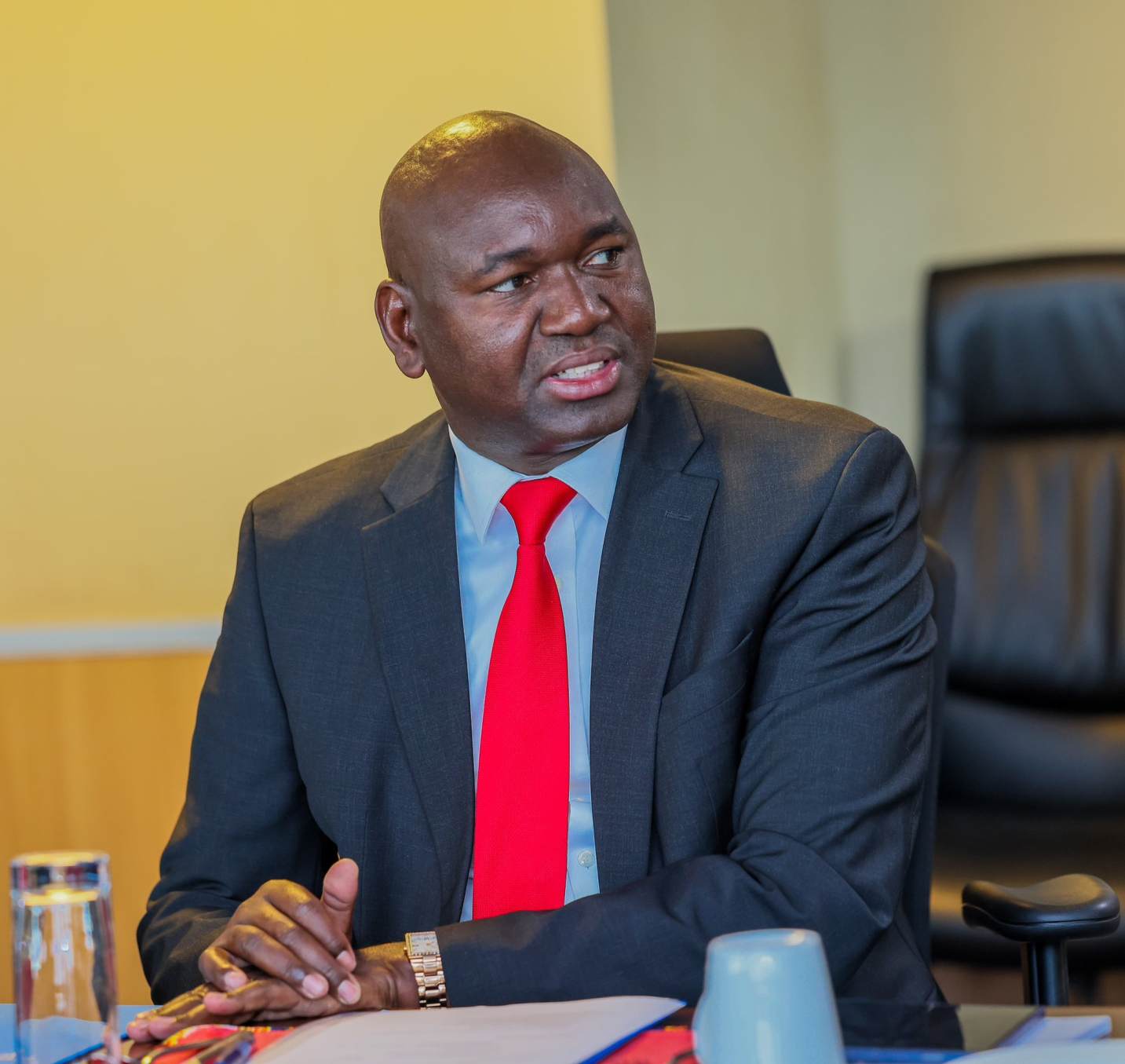
The circular, dated January 6, 2026, was issued by Principal Secretary Julius Bitok, who emphasized that the funding aims to strengthen teaching, learning, and overall school management under the Competency-Based Curriculum.
The Ministry clarified that the allocation is based on verified enrollment data from the National Education Management Information System, collected on April 24, 2025, and confirmed in September 2025 by school heads and Sub-County Directors of Education using the KOBO verification tool.
"The Data for this disbursement of FDJSE funds was extracted from the National Education Management Information System (NEMIS) on April 24, 2025, at 6.30 pm, and the same was verified by respective Heads of Institutions and SCDEs on 1 September 2025 through the KOBO tool link," Bitok stated.
Schools will receive Sh90,562.23 for day-to-day operations. This includes Sh22,937.23 for rent, postage, telephone, Board of Management meetings, and staff development; Sh3,000.00 for utilities; Sh9,375.00 for internet services; and Sh55,250.00 for staff salaries.
An extra Sh1,928.10 has been allocated for tuition expenses, bringing the total per-school allocation to Sh92,490.33.
The Ministry also provided a breakdown per learner. Operational costs amount to Sh2,297.71, which includes Sh1,600.00 for facility maintenance, Sh130.00 for administration, Sh100.00 for co-curricular activities disbursed to schools, and Sh250.00 centrally procured.
Transport and travel costs are Sh140.00, while medical and insurance cover Sh77.71.
For tuition expenses, each learner will receive Sh1,895.36. This covers Sh50.00 for teacher capacity building under SMASSE, Sh795.67 for textbooks and supplementary readers from KICD, Sh119.25 for lab materials, and Sh300.00 for practical learning under CBC.
Assessment costs are Sh130.05, while stationery and writing materials are allocated Sh500.39.
Heads of schools have been instructed to issue official receipts to the Principal Secretary upon receiving funds, with copies sent to Sub-County and County Directors of Education. Schools must also maintain updated class lists showing each learner’s admission number, full name, and the allocated amount.
Institutions that submitted incomplete or incorrect data were not included in the first-term disbursement. They will receive funding once accurate information is verified via the KOBO system. Sub-County Directors are expected to submit lists of such schools within two weeks.
Schools must operate separate accounts for Tuition, Operations, and Infrastructure, with independent cash books. Tuition funds should only be used for teaching and learning resources, while operational funds cover repairs, utilities, staff expenses, and other school needs.
Boards of Management and heads of institutions are reminded to comply with public finance laws, accounting regulations, and relevant acts including the Public Finance Management Act, 2012, and the Public Procurement and Disposal Act, 2015. Extra charges, levies, or lunch fees are strictly prohibited.
"All Boards of Management are expected to ensure prudence in the use of school funds and to adhere to the laid down financial regulations as stipulated in the reviewed Handbook on Financial Management for Public Schools, Teacher Training Colleges and Technical and Vocational Colleges in Kenya issued by the MoE, the Public Finance Management Act, 2012 and the Public Procurement and Disposal Act, 2015. All stipulated accounting procedures and other necessary measures, including cost saving, must be adhered to by all schools at all times," Bitok added.
County Directors of Education are required to share the circular with all heads of public junior schools under their authority to ensure compliance.































Comments
Sign in with Google to comment, reply, and like comments.
Continue with Google